Methodology

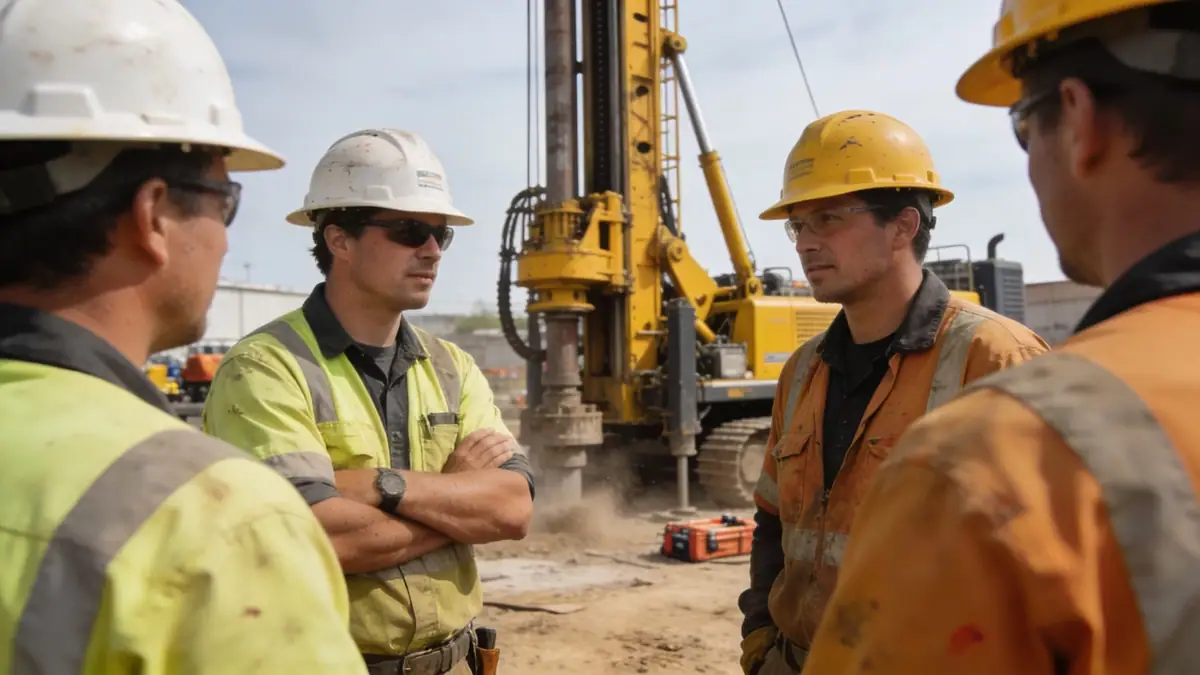
Our methodology for geotechnical engineering in Auckland integrates site-specific field investigations, laboratory testing, and advanced analysis. We typically commence with a desk study of geological maps and historical records, followed by intrusive investigations such as spt boring to obtain disturbed and undisturbed samples. In-situ tests like cone penetration testing (CPT) are used to assess soil stratification and strength. Laboratory testing on retrieved samples determines index properties, shear strength, and consolidation characteristics. All work adheres to NZS 4404 and ASTM standards, including ASTM D1586 for SPT. Our approach ensures reliable design parameters for foundations, retaining structures, and slope stability.
Reference Technical Parameters
| Parameter | Reference Value |
|---|---|
| Predominant soil type | Residual clay, volcanic tuff, alluvial silt, Waitemata sandstone |
| Maximum seismic acceleration (PGA) | 0.4g (NZS 1170.5, Zone 2-3) |
| Typical groundwater level | 1–5 m below ground surface (variable) |
| Bedrock depth | 2–20 m (shallow in volcanic areas, deep in sedimentary basins) |
| Typical N60 range (SPT) | 5–40 blows/ft (soft to dense soils) |
Local Considerations — Auckland
Auckland's geotechnical challenges are shaped by its volcanic geology and coastal setting. The Auckland Volcanic Field produces variable ground conditions, with basalt rock near vents and soft tephra layers elsewhere. Groundwater levels are typically shallow (1–3 m) in low-lying areas, requiring dewatering considerations. The region's seismic hazard is moderate to high, with peak ground accelerations up to 0.4g per NZS 1170.5. Local practice emphasizes soil mechanics laboratory testing to characterize the unique properties of volcanic soils. Typical projects include residential subdivisions on alluvial terraces and commercial developments on reclaimed land, where consolidation and liquefaction are key concerns.
Request a Quote
Our team reviews your project and issues an initial report at no cost.
Or write us directly at [email protected]
Services in Auckland
Locations covered in Auckland
Applicable Standards
- NZS 1170.5: Structural Design Actions – Earthquake actions
- NZS 4404: Land Development and Subdivision Infrastructure
- ASTM D1586: Standard Test Method for Standard Penetration Test (SPT)
- Eurocode 7: Geotechnical Design (adopted as NZS 1997)
Frequently Asked Questions
What are the typical soil types encountered in Auckland?
Auckland's soils include volcanic tephra and basalt from the Auckland Volcanic Field, residual clays from weathered Waitemata sandstone, and alluvial or estuarine silts and clays along the coast. Organic peats are also present in some low-lying areas.
Is geotechnical investigation mandatory for construction in Auckland?
Yes, under the New Zealand Building Code and local council requirements, a geotechnical report is typically required for new buildings, especially in areas with known ground hazards such as liquefaction, slope instability, or volcanic risk.
How does seismic risk affect foundation design in Auckland?
Auckland is in seismic zones 2 and 3 per NZS 1170.5, with peak ground accelerations up to 0.4g. Foundations must account for liquefaction in loose sands, lateral spreading, and soil-structure interaction. Deep foundations or ground improvement are often needed in soft soils.