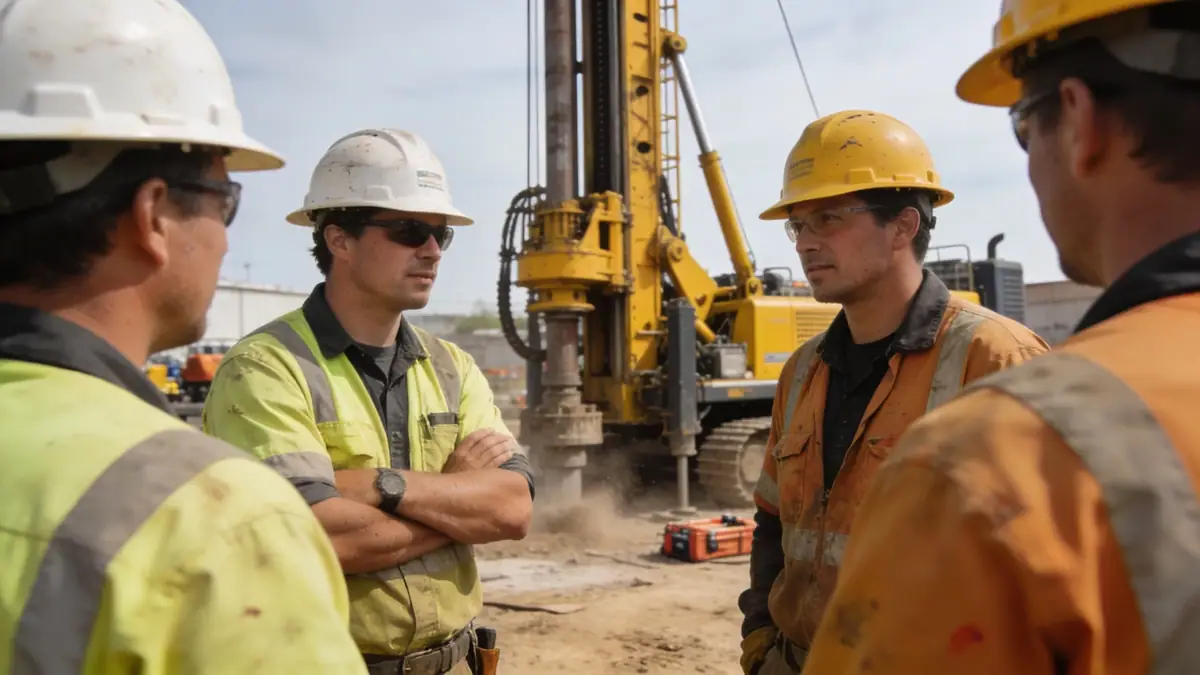
Methodology
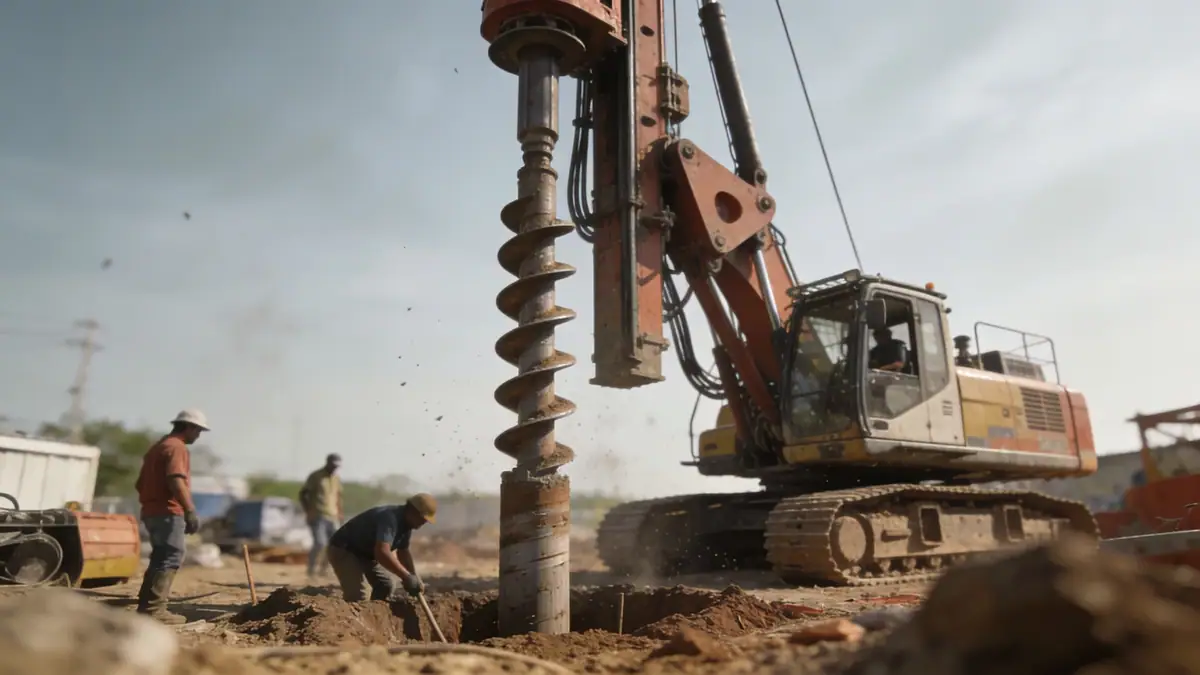
Our methodology for geotechnical engineering in Tauranga begins with a comprehensive desk study of existing geological maps and records. Field investigations include spt boring to obtain disturbed and undisturbed samples, cone penetration tests (CPT) for continuous profiling, and test pits for shallow examination. Laboratory testing follows ASTM D6913 for particle size distribution, ASTM D4318 for Atterberg limits, and direct shear tests per ASTM D3080. This integrated approach ensures accurate soil classification, strength parameters, and settlement predictions, tailored to the specific conditions of each site in Tauranga.
Reference Technical Parameters
| Parameter | Reference Value |
|---|---|
| Predominant soil type | Volcanic ash (pumiceous sands and silts) and alluvial clays |
| Maximum seismic acceleration (PGA) | 0.4g (ASCE 7-16, Site Class D) |
| Typical groundwater level | 1.5–3.0 m below ground surface |
| Bedrock depth | 10–30 m (ignimbrite and rhyolite) |
| Typical N60 range | 5–30 blows/300 mm (cohesionless layers) |
Local Considerations — Tauranga
Tauranga's geology is dominated by volcanic ash deposits from the Taupō Volcanic Zone, interbedded with alluvial sediments from the Wairoa River. These soils are often loose, compressible, and susceptible to liquefaction under seismic loading. The high groundwater table, typically 1.5–3 m deep, complicates excavation and increases hydrostatic pressures. Our firm addresses these challenges through detailed site-specific investigations. For projects in the Tauranga CBD, we employ advanced testing methods. For comparison, our slope stability expertise is critical for hillside developments in the Mount Maunganui area. Understanding local variability is essential for reliable geotechnical engineering in Tauranga.
Request a Quote
Our team reviews your project and issues an initial report at no cost.
Or write us directly at [email protected]
Services in Tauranga
Applicable Standards
- NZS 1170.5 (Structural Design Actions – Earthquake)
- ASCE 7-16 (Minimum Design Loads and Associated Criteria)
- ASTM D1586 (Standard Test Method for Penetration Test and Split-Barrel Sampling)
- NZS 4431 (Code of Practice for Earth Fill)
Frequently Asked Questions
What are the typical soil conditions for geotechnical engineering in Tauranga?
Tauranga soils are predominantly volcanic ash (pumiceous sands and silts) and alluvial clays. These materials are loose, compressible, and often saturated, requiring careful evaluation for foundation design and liquefaction potential.
Which seismic standards apply to geotechnical engineering in Tauranga?
New Zealand standard NZS 1170.5 governs earthquake actions, with Tauranga classified as moderate seismicity (PGA up to 0.4g). Site-specific response spectra per ASCE 7-16 are also used for critical projects.
Are geotechnical investigations mandatory for construction in Tauranga?
Yes, the Tauranga City Council requires geotechnical reports for most building consents, especially for multi-storey structures, slopes, and sites with known liquefaction risk. Our firm ensures compliance with local regulations.