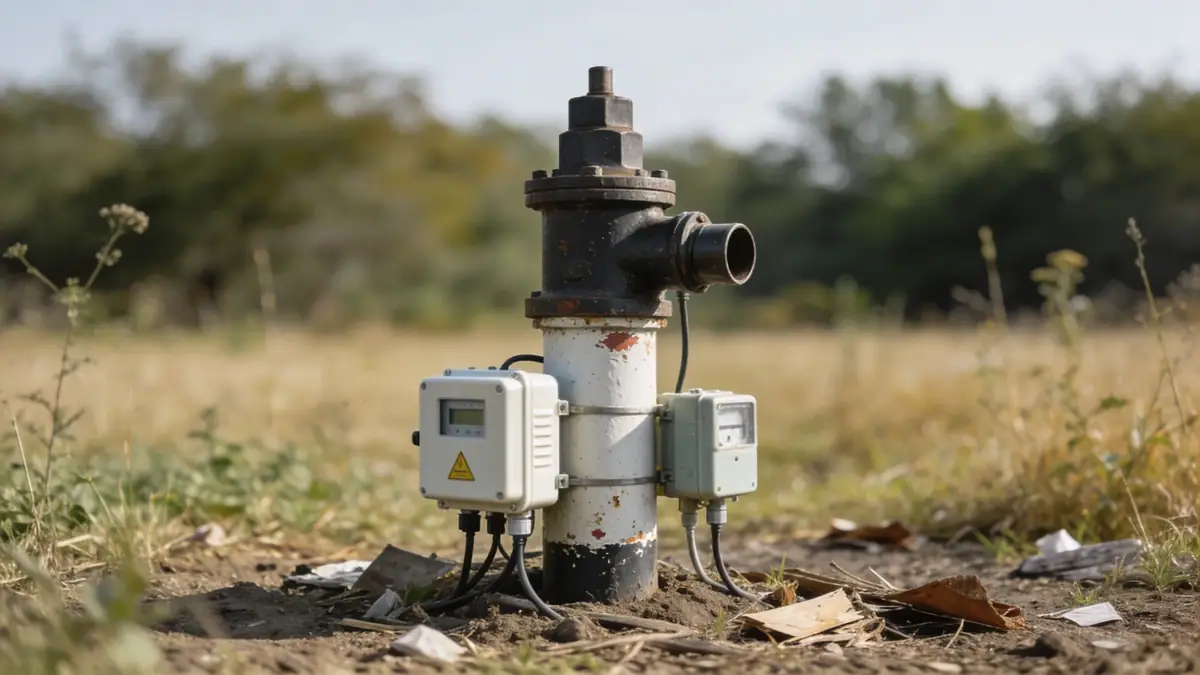
Methodology
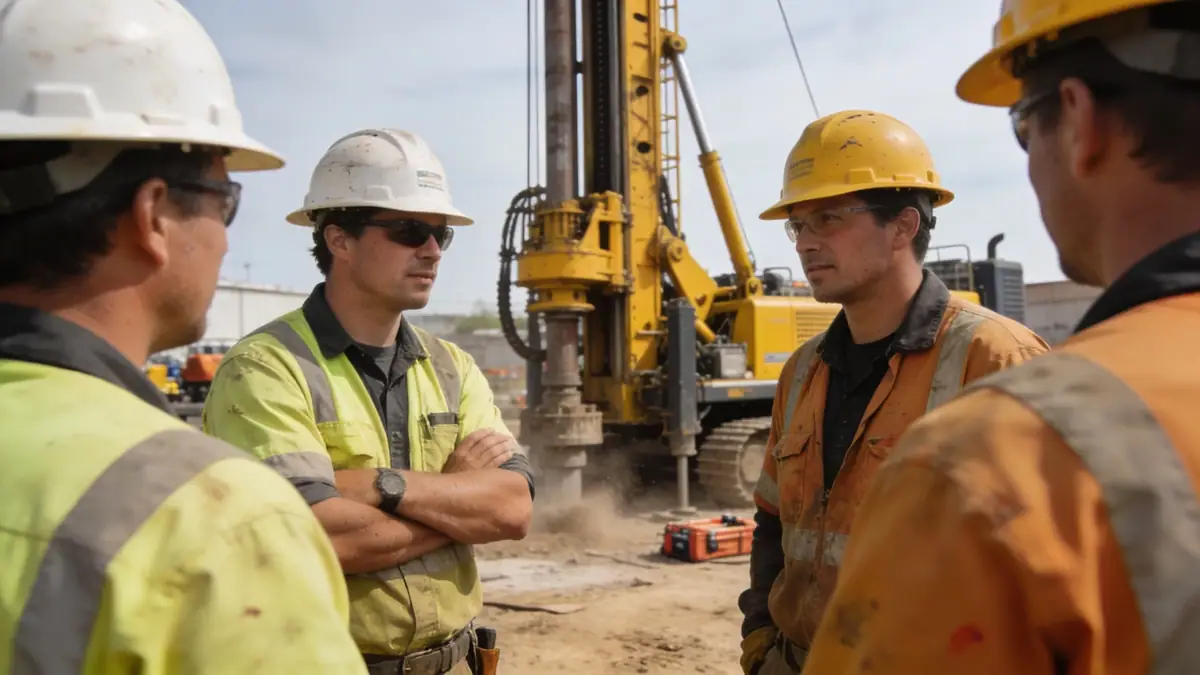
Our methodology for geotechnical engineering in Dunedin begins with a thorough desk study of existing geological maps, borehole logs, and seismic hazard data. We then design a site investigation program using techniques such as spt boring to characterize soil strata and obtain undisturbed samples. In our soil mechanics laboratory, we perform index tests, consolidation, and strength testing following ASTM D1586 and other relevant standards. The data are integrated into a geotechnical model that considers local groundwater conditions and seismic demands. We prioritize quality control and traceability, ensuring every parameter is verified for design use.
Reference Technical Parameters
| Parameter | Reference Value |
|---|---|
| Predominant soil type | Silty sands, gravels, and volcanic ash |
| Maximum seismic acceleration (PGA) | 0.4g (NZS 1170.5, subsoil class C/D) |
| Typical groundwater level | 1.5–5 m below ground surface |
| Bedrock depth | 5–20 m (variable, deeper in alluvial areas) |
| Typical N60 range | 10–30 blows/300 mm in sands; <10 in soft clays |
Local Considerations — Dunedin
Dunedin's geology is dominated by schist bedrock overlain by Quaternary alluvial and colluvial deposits. In the central city, soft estuarine clays and peat pockets are common, requiring deep foundations or ground improvement. The Taieri Plain presents deep alluvial soils with shallow groundwater, often necessitating dewatering and settlement analysis. Seismically, Dunedin lies in a moderate hazard zone (PGA 0.4g), with site effects from soft soils amplifying ground motions. Our local knowledge ensures that geotechnical engineering in Dunedin properly addresses these contrasts, from hillside stability in North East Valley to liquefaction potential in South Dunedin. We recommend soil mechanics laboratory testing for all projects to refine design parameters.
Request a Quote
Our team reviews your project and issues an initial report at no cost.
Or write us directly at [email protected]
Services in Dunedin
Locations covered in Dunedin
Applicable Standards
- NZS 1170.5 (Structural design actions – Earthquake actions)
- NZS 4407 (Methods of testing soils for civil engineering purposes)
- ASTM D1586 (Standard Test Method for Standard Penetration Test (SPT) and Split-Barrel Sampling of Soils)
- Eurocode 7 (Geotechnical design – informative reference)
- NZS 3604 (Timber-framed buildings – for residential foundations)
Frequently Asked Questions
What are the typical soil types encountered in Dunedin for geotechnical investigations?
Dunedin's soils vary from volcanic ash and silty sands on the hills to alluvial gravels and soft estuarine clays in the lowlands. Peat deposits are also found in some areas. A site-specific investigation is essential to determine the exact profile.
Is a geotechnical investigation mandatory for building in Dunedin?
For most new buildings, especially those with shallow foundations or in areas prone to liquefaction, a geotechnical report is required under the New Zealand Building Code. Local councils often request it for consent applications, particularly in medium- or high-risk zones.
How does seismic hazard affect foundation design in Dunedin?
Dunedin is in seismic zone 3 with a peak ground acceleration of 0.4g. Soft soils can amplify shaking, so foundation design must consider site class and potential liquefaction. Our firm follows NZS 1170.5 to determine appropriate design actions.