Methodology

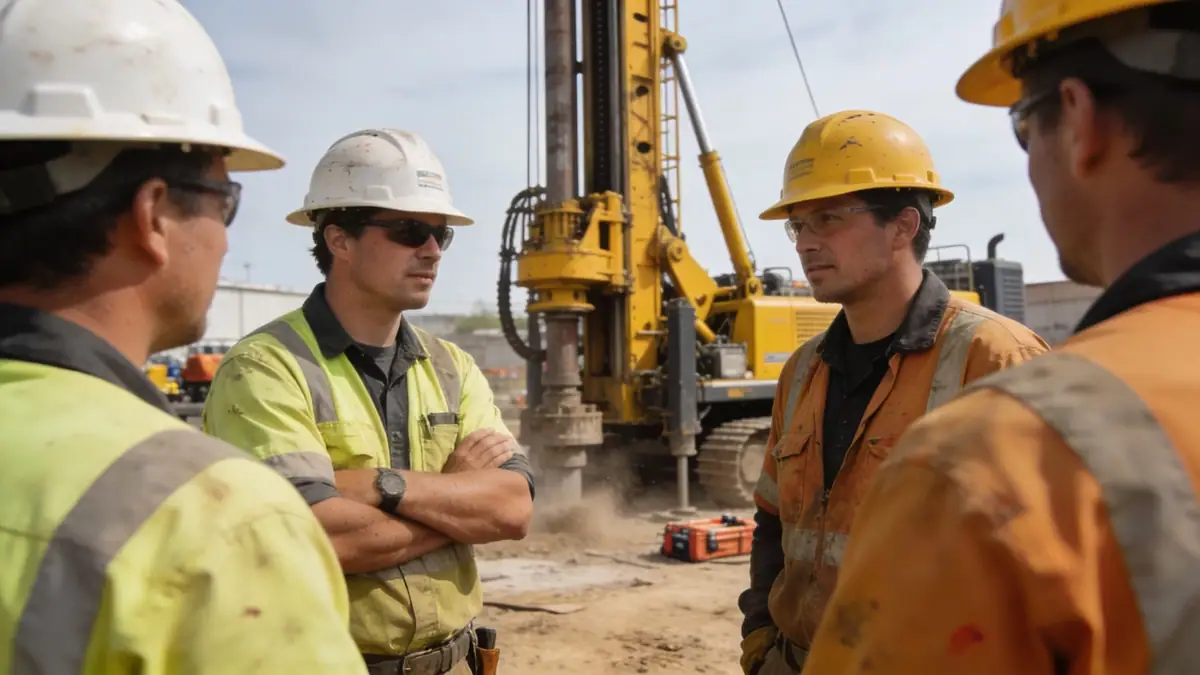
Our methodology in Pukekohe integrates field investigation, laboratory testing, and numerical analysis. We deploy spt boring to recover disturbed and undisturbed samples at typical intervals of 1.0–1.5 m per ASTM D1586, achieving depths of 8–15 m for residential projects and up to 30 m for industrial sites. In situ testing includes cone penetration (CPT) with continuous readings every 1–2 cm, supplemented by test pits for shallow strata. Laboratory programs cover grain size distribution, Atterberg limits, and direct shear tests under saturated conditions. This data informs settlement analyses, bearing capacity calculations, and seismic site classification per NZS 1170.5.
Reference Technical Parameters
| Parameter | Reference Value |
|---|---|
| Predominant soil type | Alluvial clay, silt, and sand; volcanic ash and basalt |
| Peak ground acceleration (PGA) | 0.13–0.22 g (NZS 1170.5, hazard factor Z=0.13) |
| Typical groundwater level | 1.5–3.0 m below ground surface (seasonal variation) |
| Bedrock depth | 10–25 m (Waitemata Group sandstone/siltstone) |
| Typical N60 range | 4–15 blows/ft (soft to firm clays); 20–40 blows/ft (dense sands/gravels) |
Local Considerations — Pukekohe
Pukekohe's geology is dominated by alluvial deposits from the Waikato River and volcanic soils from the South Auckland volcanic field. The eastern hills feature weathered basalt and tuff, while the western plains contain compressible clays and peat lenses. Groundwater levels are shallow (1.5–3 m) in low-lying areas, requiring dewatering considerations for excavations. Seismic design follows NZS 1170.5 with a hazard factor Z=0.13, typically resulting in Class C or D site subsoil classes. Our team applies these factors in slope stability assessments and foundation recommendations. For projects requiring regional context, we coordinate with our geotechnical engineering en Auckland office to ensure consistency across the wider region. Additionally, soil mechanics laboratory testing is calibrated to local soil behavior.
Request a Quote
Our team reviews your project and issues an initial report at no cost.
Or write us directly at [email protected]
Services in Pukekohe
Applicable Standards
- NZS 1170.5: Structural Design Actions – Earthquake Actions
- NZS 3604: Timber-Framed Buildings
- NZS 4431: Code of Practice for Earth Fill
- ASTM D1586: Standard Test Method for Standard Penetration Test (SPT)
- BS 5930: Code of Practice for Site Investigations
Frequently Asked Questions
What are the typical soil conditions in Pukekohe?
Soils vary from soft alluvial clays and silts near the Waikato River to stiff volcanic clays and weathered basalt on the eastern hills. Shallow groundwater (1.5–3 m) and occasional peat layers require careful geotechnical assessment for foundation design and earthworks.
What seismic design code applies in Pukekohe?
Pukekohe falls under NZS 1170.5 with a hazard factor Z = 0.13. Site subsoil class is typically C (shallow soil) or D (deep or soft soil) depending on location. A site-specific seismic response analysis may be required for important or large structures.
Are geotechnical investigations mandatory for building in Pukekohe?
While not always mandatory for minor residential work, NZS 3604 requires soil classification via a geotechnical investigation for sites with known soft soils, fill, or slopes. Most commercial and industrial projects require a detailed geotechnical report to comply with the Building Code.