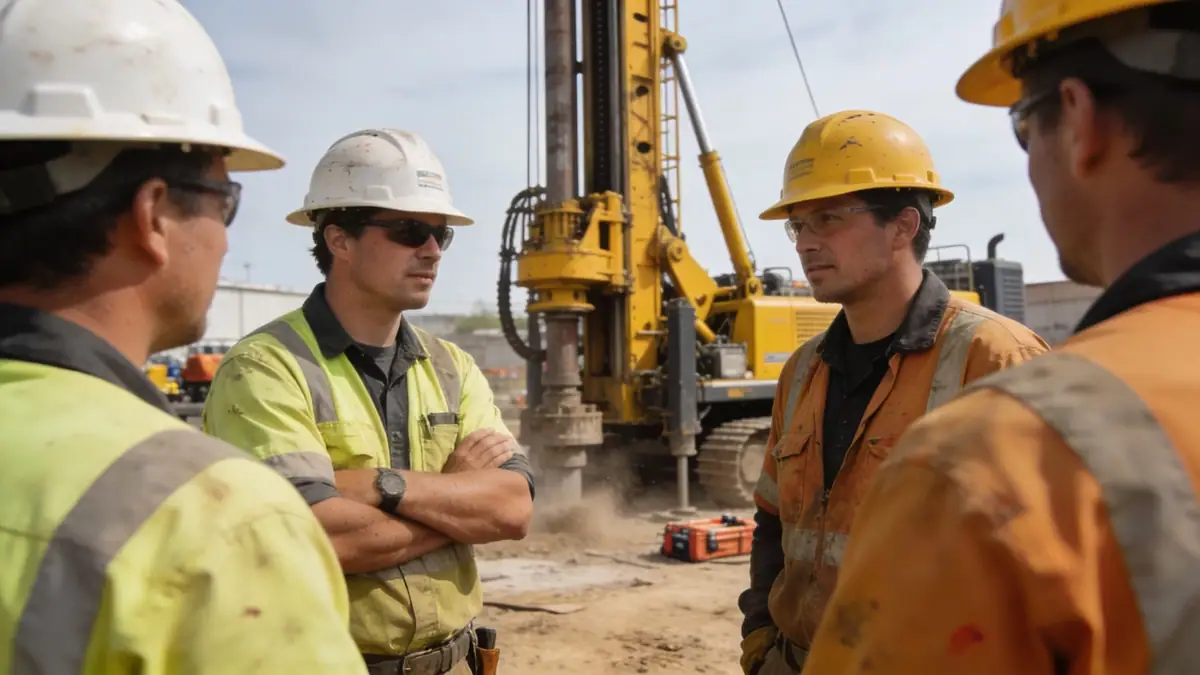
Methodology
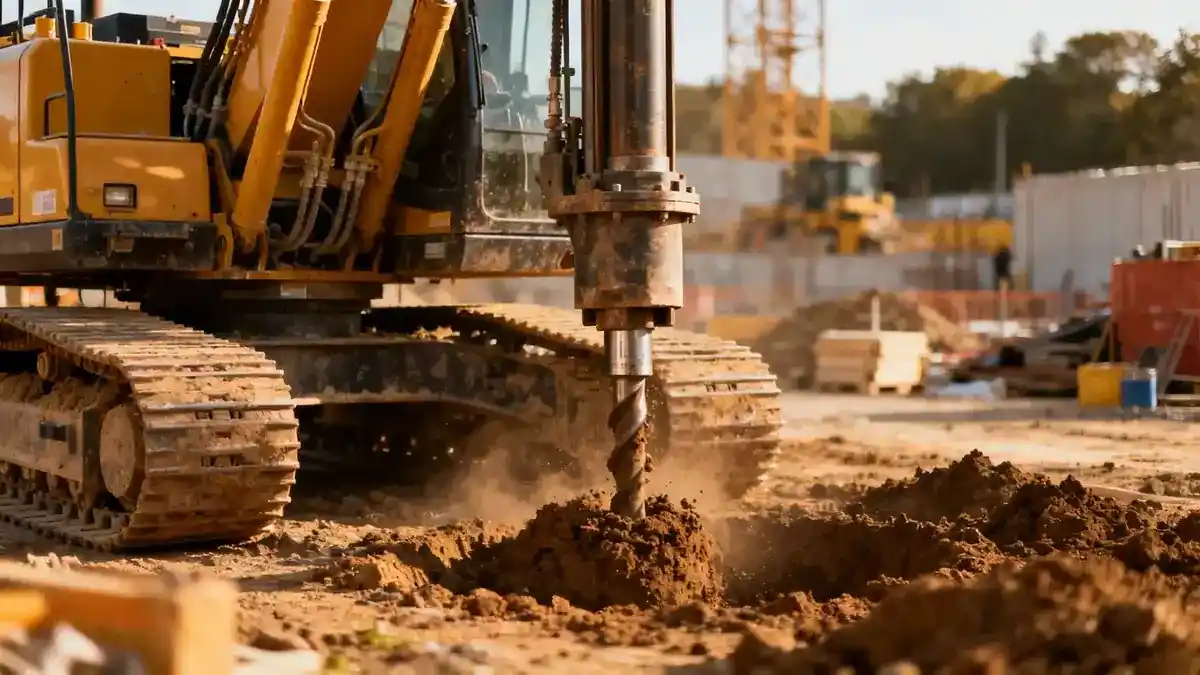
Our SPT boring methodology adheres to ASTM D1586 and New Zealand geotechnical guidelines. Using a 63.5 kg drop hammer with a 760 mm free fall, we measure blow counts (N-value) over 300 mm penetration intervals. Sampling intervals are typically 1.5 m, with continuous sampling in critical zones. Data is recorded in accordance with NZGS 2016 guidelines, and field logs include soil classification, moisture content, and recovery ratios. For sensitive sites, we integrate SPT with our Soil Mechanics Laboratory services to correlate blow counts with shear strength parameters. All equipment is calibrated annually, and our technicians hold NZQA certification in geotechnical drilling. The N-value correction for overburden pressure is applied per NZS 1170.5:2004 for seismic site classification.
Reference Technical Parameters
| Parameter | Reference Value |
|---|---|
| Hammer Weight | 63.5 kg |
| Drop Height | 760 mm |
| Penetration Increment | 300 mm (final 450 mm recorded) |
| N-value Range | 0–100 blows/300 mm (refusal at 50 for 100 mm) |
| Sampler Type | Split-spoon (35 mm ID, 50.8 mm OD) |
Local Considerations — New Zealand
New Zealand's diverse geology—from Auckland's volcanic soils to Christchurch's deep alluvial deposits—requires adaptable SPT boring techniques. In the Canterbury region, liquefaction assessment demands high-quality SPT data at shallow depths, while Wellington's steep terrain often necessitates portable rigs. Our team has executed projects in Hamilton (Waikato peat), Hastings (soft marine clays), and Dunedin (basalt rock). We adjust sampling intervals and hammer energy based on local soil conditions, referencing NZGS guidelines for each region. This localized approach ensures compliance with NZS 1170.5 seismic provisions and provides reliable parameters for foundation design. For specific regional insights, see our work in Christchurch.
Request a Quote
Our team reviews your project and issues an initial report at no cost.
Or write us directly at [email protected]
Applicable Standards
- ASTM D1586-18 Standard Test Method for Standard Penetration Test (SPT)
- NZS 1170.5:2004 Structural Design Actions – Earthquake Actions
- NZGS 2016 Geotechnical Site Investigation Guidelines
- BS 5930:2015 Code of Practice for Site Investigations
Frequently Asked Questions
What is the typical depth range for SPT boring in New Zealand?
SPT boring depths typically range from 5 to 30 meters, depending on project requirements. For residential foundations, depths of 6–10 m are common, while infrastructure projects may require 20–30 m to reach competent bearing strata. Our team customizes depth based on site geology and structural loads.
How is the N-value used for seismic site classification?
The N-value (blow count) is corrected for overburden pressure to obtain (N1)60, which is then used to classify soil liquefaction potential per NZS 1170.5. Soils with (N1)60 < 15 are considered liquefiable, while >30 indicate non-liquefiable. This classification informs foundation design and ground improvement.
What is the turnaround time for SPT boring results?
Field data (N-values, logs) are provided within 24 hours of drilling. Final reports, including correlation with laboratory tests, are delivered within 5–10 business days, depending on sample volume. Urgent projects can be expedited with prior coordination.
How much does SPT boring cost in New Zealand?
The cost ranges from $910 to $1,260 per borehole, depending on depth, accessibility, and number of tests. Additional charges apply for remote sites or multiple boreholes. This range is a 2026 reference; we recommend requesting a site-specific quote for accurate pricing.