Methodology
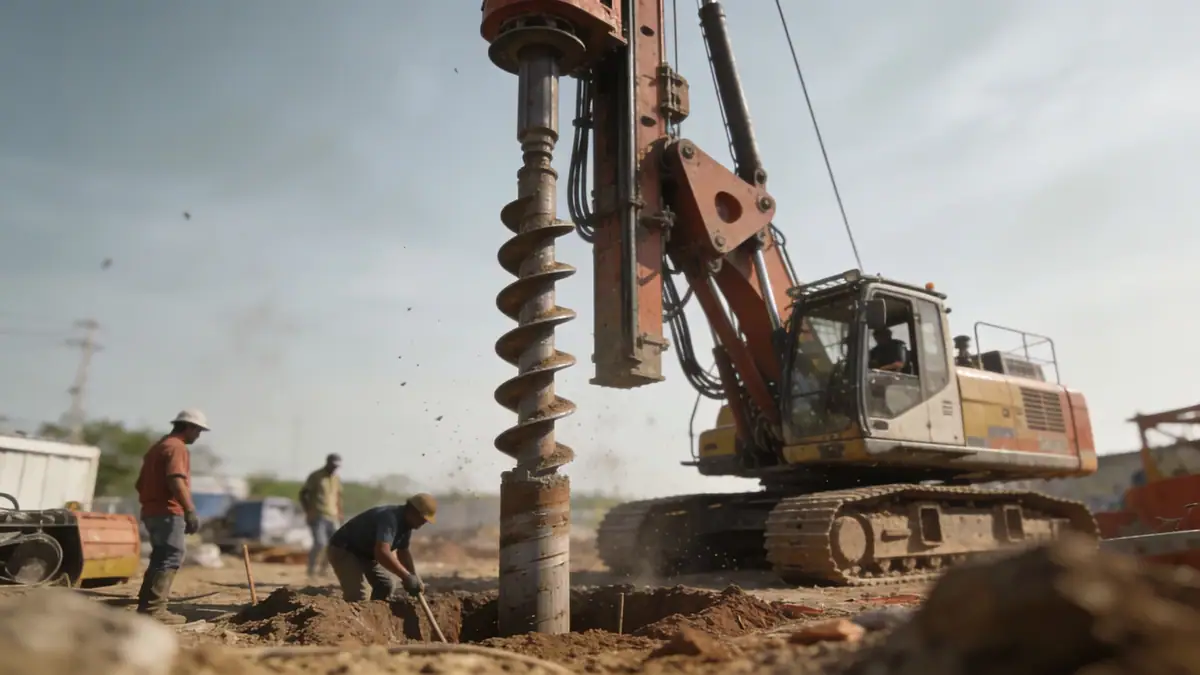
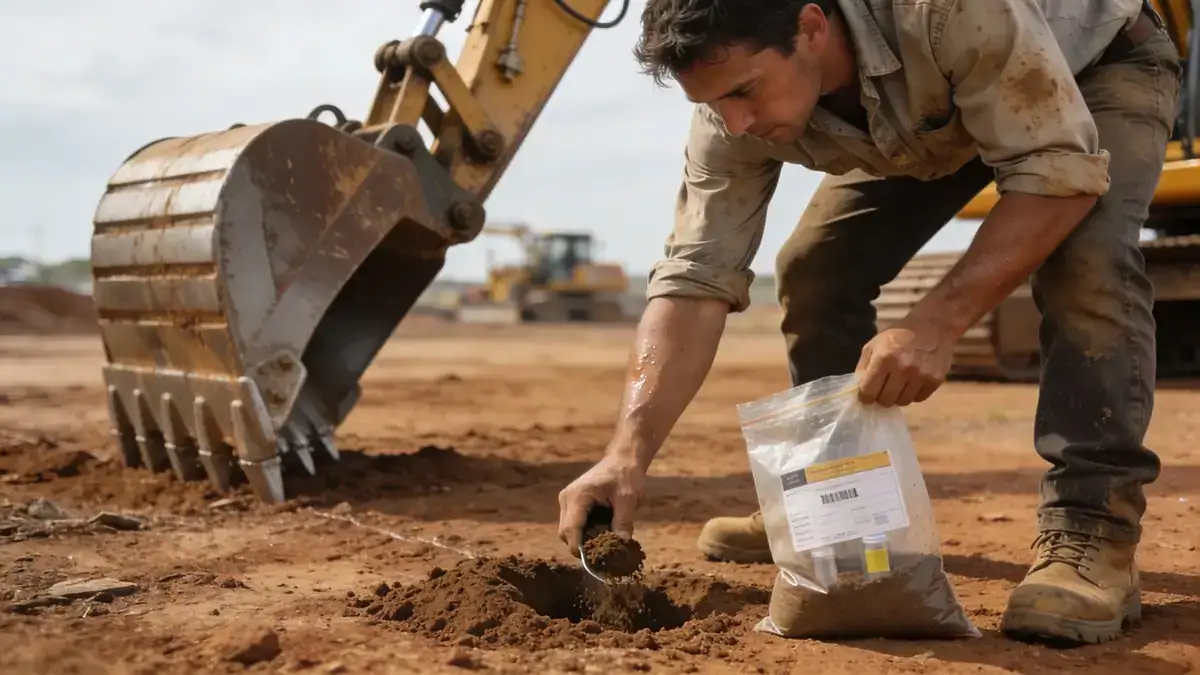
Our methodology for geotechnical engineering in Rotorua integrates field investigations and laboratory testing tailored to volcanic terrains. We begin with a desk study of geological maps and seismic hazard data, followed by targeted explorations such as spt boring to characterize subsurface stratigraphy. In-situ tests include standard penetration tests (SPT) per ASTM D1586 and cone penetration tests (CPT) for continuous profiling. Groundwater monitoring wells are installed to assess seasonal fluctuations. Laboratory tests on undisturbed samples determine shear strength, consolidation, and permeability. We analyze data using geotechnical software to model bearing capacity, settlement, and slope stability. Our approach ensures robust foundation designs that mitigate risks from liquefaction, differential settlement, and lateral spreading.
Reference Technical Parameters
| Parameter | Reference Value |
|---|---|
| Predominant soil type | Volcanic ash, pumice, and rhyolite tuff |
| Maximum seismic acceleration (PGA) | 0.4g (NZS 1170.5 hazard factor Z=0.4) |
| Typical groundwater level | 1.5–4.0 m below ground surface |
| Bedrock depth | 10–30 m (weathered ignimbrite or andesite) |
| Typical N60 range | 5–30 blows/300 mm in volcanic sands |
Local Considerations — Rotorua
Rotorua's geology is dominated by volcanic deposits from the Taupō Volcanic Zone, including loose pumice sands and silty ash layers that are prone to liquefaction during earthquakes. High groundwater levels near Lake Rotorua and geothermal springs require careful dewatering and corrosion-resistant materials. Seismic hazard is significant, with peak ground accelerations up to 0.4g per NZS 1170.5. Our team has extensive experience in this environment, having completed numerous projects for residential subdivisions and commercial buildings. For broader regional expertise, see our geotechnical engineering services in Auckland. We also offer slope stability analysis for hillside developments in Rotorua's undulating terrain.
Request a Quote
Our team reviews your project and issues an initial report at no cost.
Or write us directly at [email protected]
Services in Rotorua
Applicable Standards
- NZS 1170.5:2004 Structural Design Actions – Earthquake Actions
- NZS 4404:2010 Land Development and Subdivision Infrastructure
- NZS 3604:2011 Timber-Framed Buildings
- ASTM D1586 Standard Test Method for Standard Penetration Test (SPT)
- Eurocode 7 (EN 1997) – Geotechnical Design (reference)
Frequently Asked Questions
What soil conditions are typical for geotechnical engineering in Rotorua?
Rotorua's soils are predominantly volcanic, including loose pumice sands, silty ash, and rhyolite tuff. These materials have variable density and are prone to liquefaction under seismic loading. Groundwater is often shallow, requiring drainage considerations. Our geotechnical investigations characterize these layers to provide safe foundation recommendations.
What seismic design standards apply in Rotorua?
Rotorua is in a high seismic zone, with a hazard factor Z=0.4 per NZS 1170.5. All structures must comply with this standard, requiring site-specific seismic hazard assessments. Our team evaluates liquefaction potential, lateral spreading, and site class to determine appropriate design response spectra and foundation systems.
Are geotechnical studies mandatory for construction in Rotorua?
Yes, the New Zealand Building Code (NZBC) requires geotechnical investigations for most building consents, especially in areas with volcanic soils or high seismicity. Rotorua Lakes Council typically mandates a site-specific report for subdivisions and commercial buildings. Our geotechnical engineering in Rotorua ensures compliance with these regulations.