Methodology
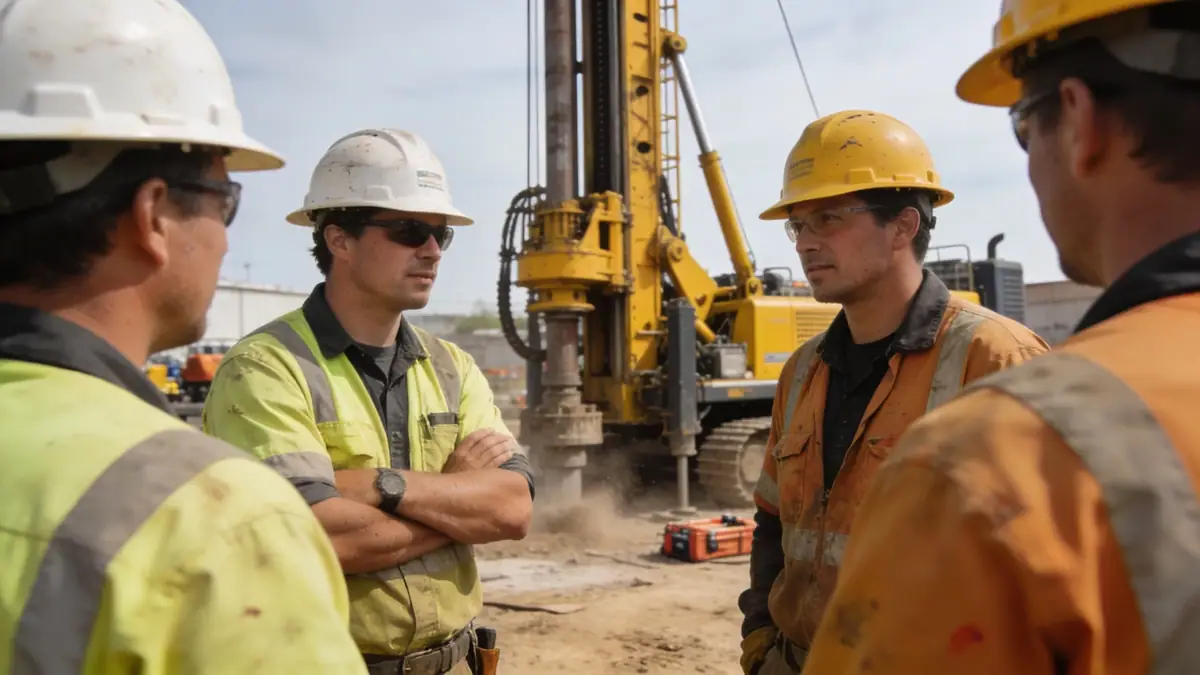
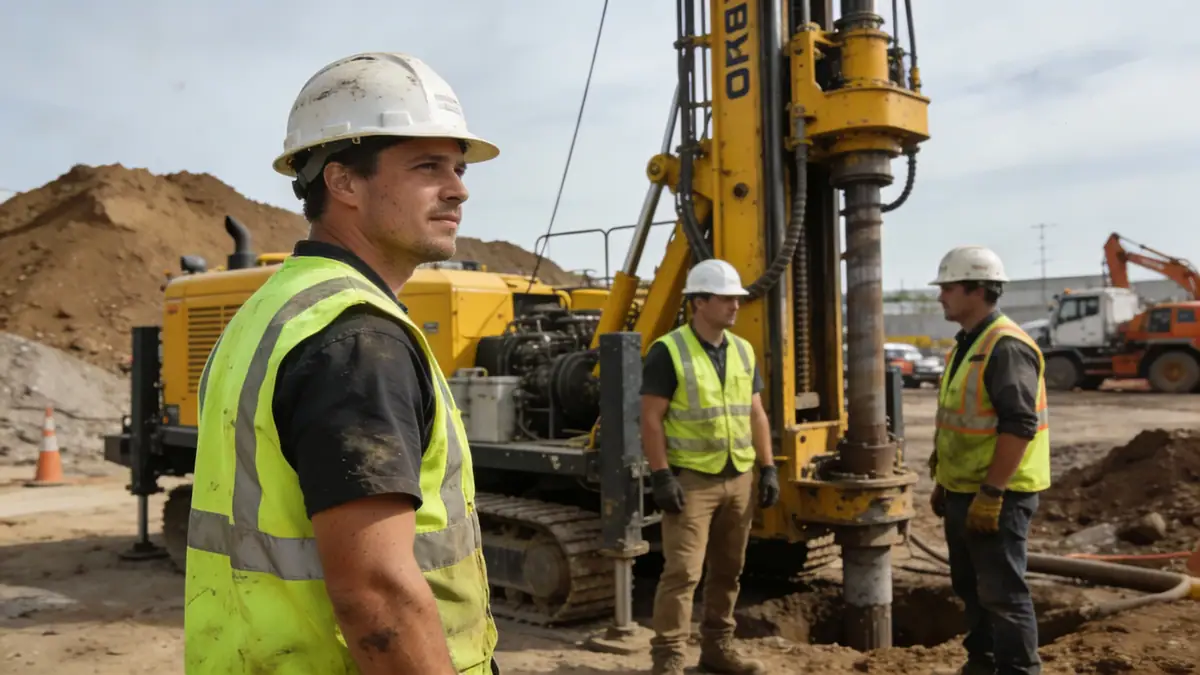
Our methodology for geotechnical engineering in Porirua begins with a detailed desktop study of geological maps and historical site data. We then conduct field investigations including spt boring to characterise soil stratigraphy and strength, supplemented by cone penetration tests and test pits where appropriate. Laboratory testing on undisturbed samples follows ASTM D1586 and New Zealand standards to determine index properties, shear strength, and consolidation behaviour. All data are integrated into a geotechnical model that considers local seismicity and groundwater conditions. Our reporting provides clear recommendations for foundation design, earthworks, and slope stability, ensuring compliance with the New Zealand Building Code and relevant standards.
Reference Technical Parameters
| Parameter | Reference Value |
|---|---|
| Predominant soil type | Alluvial silts and clays; residual clayey sands over greywacke |
| Maximum seismic acceleration (PGA) | 0.40 g (for ultimate limit state, site class D) |
| Typical groundwater level | 1.5–3.0 m below ground in coastal areas |
| Bedrock depth | 5–20 m in valleys; outcropping on ridges |
| Typical N60 range | 5–25 blows/0.3 m in alluvial soils; 30–50 in residual soils |
Local Considerations — Porirua
Porirua's geology is dominated by Quaternary alluvial and marine sediments along the harbour, underlain by Torlesse greywacke basement. The region is highly seismic, with design accelerations up to 0.40g for soft soil sites. Groundwater is shallow near the coast, requiring dewatering considerations. Hillside areas are prone to instability, necessitating slope stability analysis and retaining wall design. For comprehensive geotechnical support, our geotechnical engineering en Wellington hub coordinates larger projects. Our local expertise ensures that investigations address these specific conditions, from soil liquefaction potential in reclaimed land to cut slope stability in residual soils.
Request a Quote
Our team reviews your project and issues an initial report at no cost.
Or write us directly at [email protected]
Services in Porirua
Applicable Standards
- NZS 1170.5 (Structural Design Actions, Earthquake)
- NZS 3604 (Timber-framed buildings)
- NZS 4402 (Methods of testing soils)
- ASTM D1586 (Standard Penetration Test)
Frequently Asked Questions
What are the typical soil types encountered in Porirua?
Porirua soils range from alluvial silts and clays near the harbour to residual clayey sands and gravels on the hills. The underlying bedrock is generally greywacke, which may be shallow on ridges but deeper in valleys.
Is a geotechnical investigation mandatory for building in Porirua?
Yes, under the New Zealand Building Code, a site investigation is required to confirm ground bearing capacity and seismic hazards. Porirua City Council typically requests a geotechnical report for new foundations or earthworks.
How does seismic design affect foundations in Porirua?
Porirua lies in a high seismic zone with PGA up to 0.40g. Softer soils amplify shaking, so foundations must be designed to resist liquefaction and lateral spreading. Our reports specify site class and design spectra per NZS 1170.5.