
Methodology
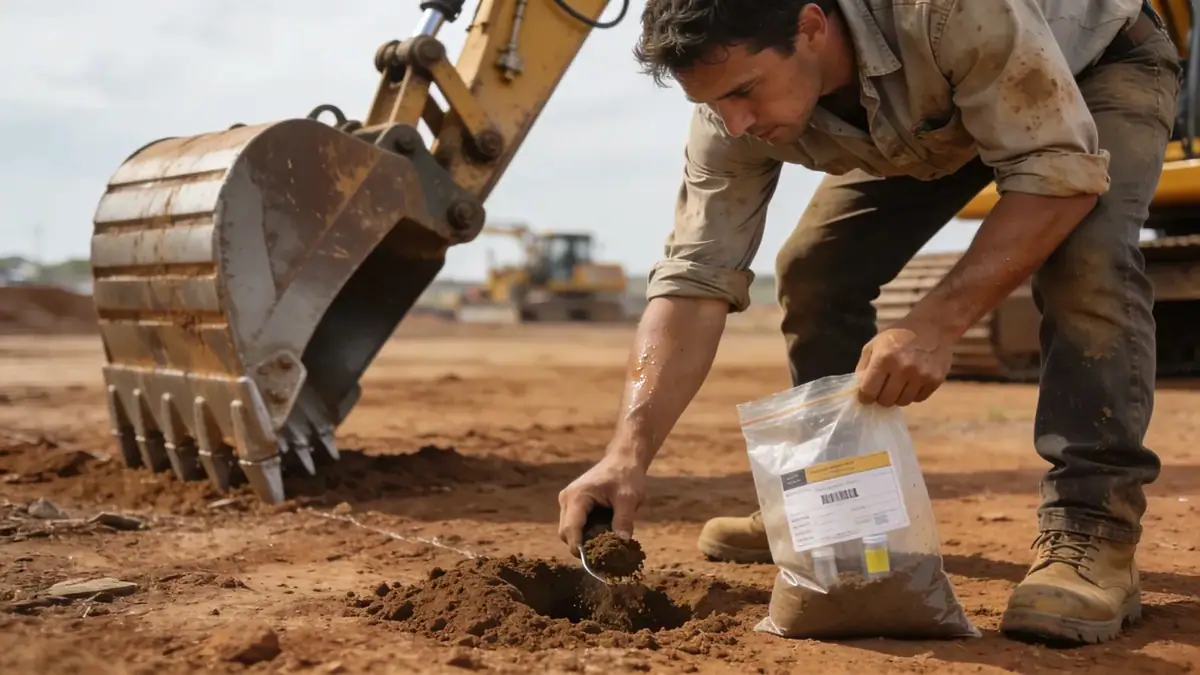
Our methodology for geotechnical engineering in Nelson integrates site-specific investigations, including spt boring to characterize soil stratigraphy and strength, and laboratory testing to determine index and mechanical properties. We employ NZS 1170.5 seismic hazard analysis, with site-specific ground response analyses for critical structures. Our approach includes thorough desk studies, field mapping, and continuous monitoring to mitigate risks from liquefaction, slope instability, and differential settlement. All work adheres to ASTM D1586 and NZS 4407 standards, ensuring reliable data for informed design decisions.
Reference Technical Parameters
| Parameter | Reference Value |
|---|---|
| Predominant soil type | Alluvial gravels, sands, and silts over greywacke bedrock |
| Maximum seismic acceleration (PGA) | 0.40g (Z factor per NZS 1170.5, 500-year return period) |
| Typical groundwater level | 2–5 m below ground surface (variable with season and location) |
| Bedrock depth | 5–20 m in valley floors; outcropping on hillslopes |
| Typical N60 range (SPT) | 10–30 blows/300mm in sands; >50 in dense gravels |
Local Considerations — Nelson
Nelson’s ground conditions vary significantly: the alluvial plains near the coast exhibit loose sands and high groundwater, posing liquefaction risk, while the hillslopes feature shallow bedrock with potential for landslip. Our geotechnical engineering in Nelson accounts for these contrasts, with site-specific investigations using CPT and SPT. For hillside developments, we emphasize slope stability and retaining wall design to manage cut and fill. For coastal sites, we assess liquefaction potential and recommend ground improvement. For more on our regional expertise, visit our geotechnical engineering en Wellington page.
Request a Quote
Our team reviews your project and issues an initial report at no cost.
Or write us directly at [email protected]
Services in Nelson
Applicable Standards
- NZS 1170.5:2004 Structural Design Actions – Earthquake Actions
- NZS 4407:2015 Methods of Testing Soils for Civil Engineering Purposes
- ASTM D1586 Standard Test Method for SPT
- Eurocode 7 (EN 1997) – Geotechnical Design (reference for international projects)
Frequently Asked Questions
What are the typical soil conditions in Nelson for foundation design?
Nelson’s soils range from loose alluvial sands and gravels in the valleys to stiff clays and weathered greywacke on the hills. Groundwater is often shallow (2–5 m). Our geotechnical engineering in Nelson includes thorough site investigation to classify soil types and determine bearing capacity, settlement, and seismic hazards.
What seismic design requirements apply to projects in Nelson?
Nelson falls under NZS 1170.5 with a hazard factor Z = 0.4, requiring site-specific soil classification (Class C or D typically). Our team evaluates liquefaction susceptibility and performs site response analyses to ensure compliance with the New Zealand Building Code.
Are geotechnical investigations mandatory for building in Nelson?
Yes, for most new structures and major alterations, the New Zealand Building Code (clause B1 Structure) requires a geotechnical investigation to confirm ground conditions. Our geotechnical engineering in Nelson provides the necessary reports and design parameters to satisfy consent requirements.