Methodology
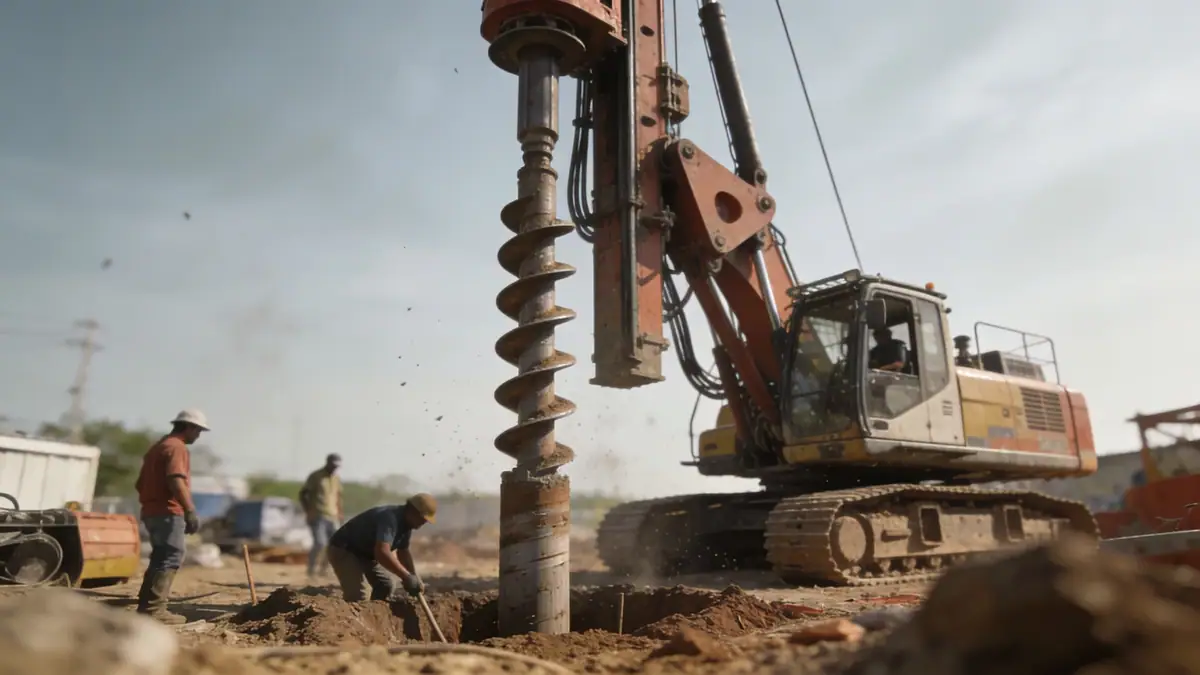
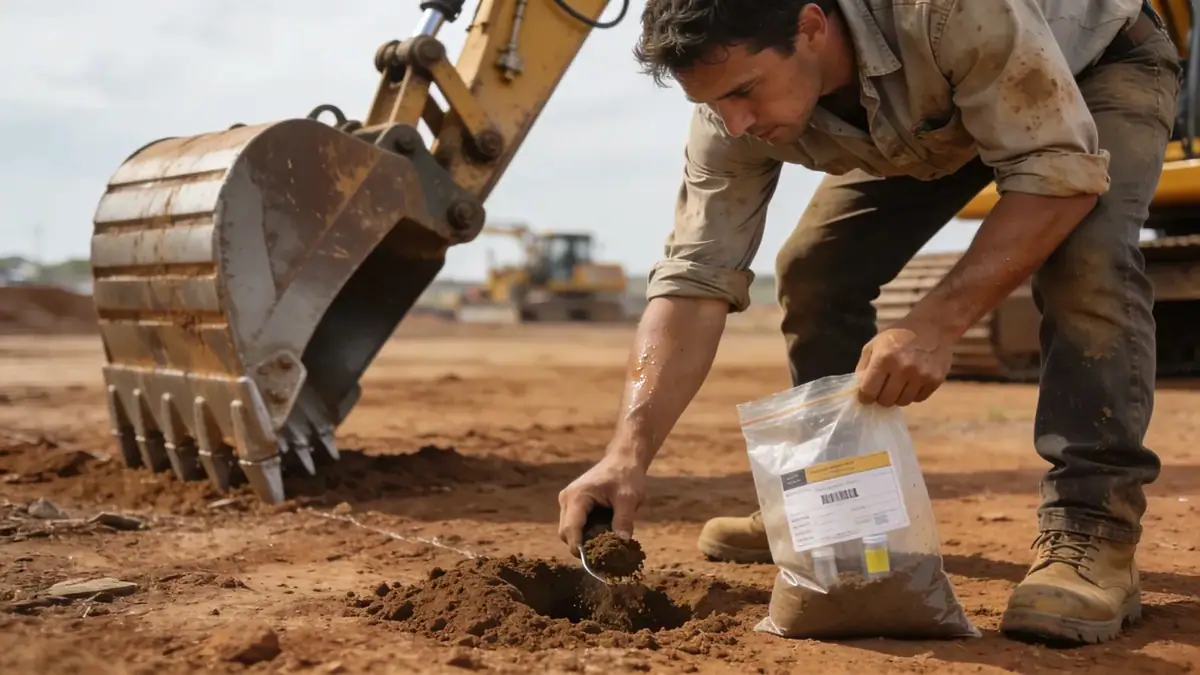
Our approach to geotechnical engineering in Blenheim begins with a comprehensive desk study of local geology and seismicity, followed by targeted field investigations. We employ spt boring to collect disturbed and undisturbed samples, adhering to ASTM D1586 standards for standard penetration testing. This data informs laboratory analyses of soil strength, consolidation, and liquefaction potential. All findings are synthesized into detailed geotechnical reports that guide foundation design, slope stability, and earthworks—critical for Marlborough’s seismic resilience.
Reference Technical Parameters
| Parameter | Reference Value |
|---|---|
| Predominant soil type | Alluvial gravels, sands, and silts (Wairau Formation) |
| Maximum seismic acceleration (PGA) | 0.4g (Marlborough fault zone, NZS 1170.5) |
| Typical groundwater level | 1.5–3.0 m below ground surface (seasonal variation) |
| Bedrock depth | 10–30 m (greywacke basement) |
| Typical N60 range (SPT) | 10–40 (variable with depth and gravel content) |
Local Considerations — Blenheim
Blenheim’s geology is dominated by alluvial deposits from the Wairau River, with shallow groundwater tables that fluctuate seasonally. The region’s high seismic hazard, driven by the Marlborough fault system, requires detailed liquefaction assessment per NZS 1170.5. In suburban areas like Redwoodtown, deeper gravels often provide competent bearing strata, while riverside zones near Springlands may demand ground improvement. Typical projects include residential subdivisions and winery developments, where our soil mechanics laboratory analyses inform foundation choices. Our firm’s hub for regional oversight is geotechnical engineering en Wellington.
Request a Quote
Our team reviews your project and issues an initial report at no cost.
Or write us directly at [email protected]
Services in Blenheim
Applicable Standards
- NZS 1170.5:2004 Structural design actions – Earthquake actions
- NZS 3604:2011 Timber-framed buildings
- NZS 4402:1986 Methods of testing soils
- ASTM D1586 Standard Test Method for Standard Penetration Test (SPT)
Frequently Asked Questions
What soil types are common in Blenheim?
Blenheim’s soils are primarily alluvial gravels, sands, and silts deposited by the Wairau River. These materials vary laterally and with depth, often requiring site-specific investigation to assess bearing capacity and liquefaction potential.
Is a geotechnical study mandatory for building in Blenheim?
While not always mandatory for minor residential work, local councils and NZS 3604 require geotechnical input for sites with known soil issues or seismic hazards. For commercial and multi-storey projects, a full geotechnical investigation is essential to ensure compliance with NZS 1170.5.
How does seismic risk affect foundation design in Blenheim?
Blenheim lies within the Marlborough fault zone, with a design peak ground acceleration of 0.4g. Foundations must be designed for potential liquefaction and lateral spreading. Deep piles or ground improvement are often recommended to mitigate these risks.